Our News and Insights section shares analysis and updates on natural resource governance across Africa. We focus on emerging trends, policy developments, and real-world perspectives that inform action.
Land is the foundation of nearly all human activity—from agriculture and housing to infrastructure and industry. Yet, the way we use and govern land is often overlooked in environmental discussions. This needs to change. Environmental degradation is largely driven by human activities,...
Good morning, everyone! I want to start by thanking the organisers for putting this session together, and to Prof Kimani Njogu for giving me the opportunity to share my thoughts. I would also like to thank Dr Rudo Sithole and Dr Nancy Rushohora for providing a solid background to...
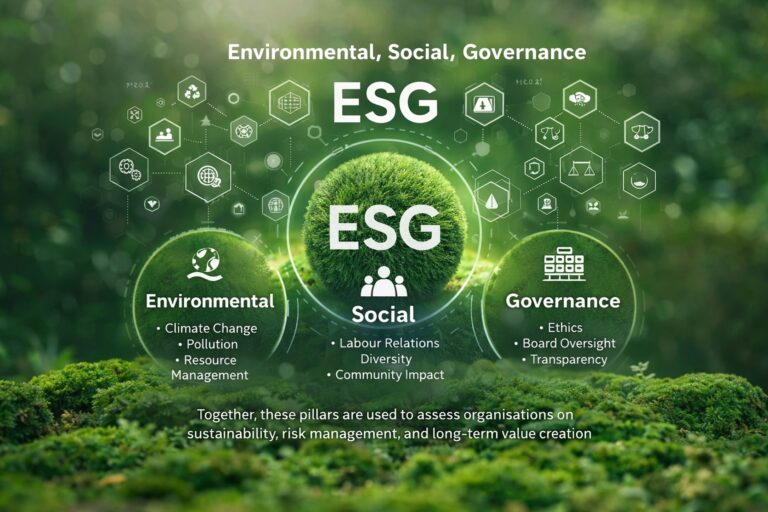
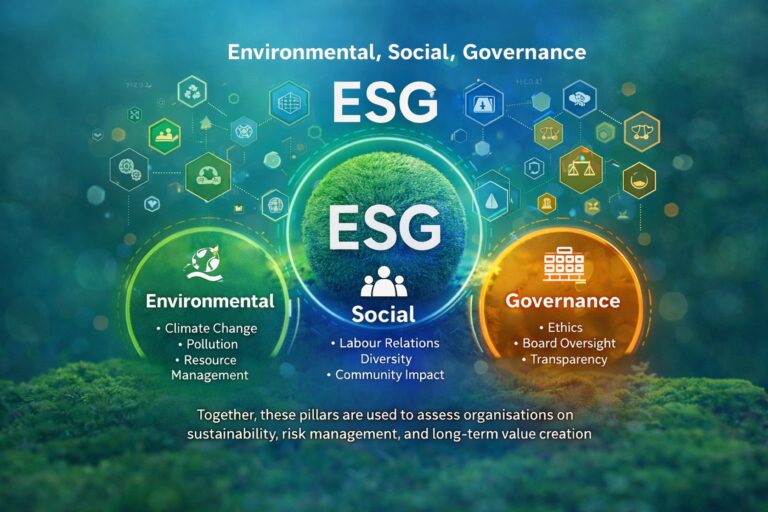
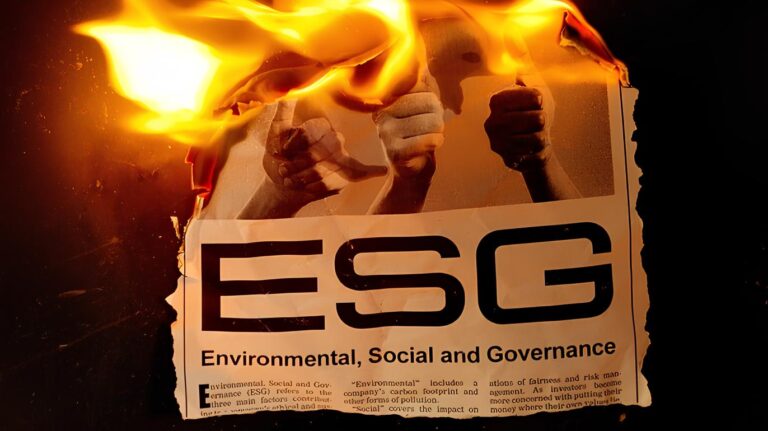
ESG, in full, refers to Environmental, Social, and Governance. Together, these three pillars are used to assess how organisations manage sustainability, risk, and long‑term value creation. As discussed in our previous article, the evolution of ESG is closely linked to the growing...

ESG did not emerge overnight. What we recognise today as Environmental, Social and Governance (ESG) principles is the result of a long evolution one that began centuries before the acronym existed. Religious groups such as the Quakers and Methodists avoided industries linked to harm,...
Today, ESG is one of the clearest lenses through which organisations identify, assess, and manage risk. At its core, ESG risk refers to the potential negative impacts on an organisation’s financial performance, operational continuity, and reputation arising from its environmental,...
It may sound obvious, but it is still too often overlooked: ESG cannot be meaningfully integrated into an organisation’s strategy or operations without the active involvement of the board. ESG is like the G in the acronym suggests, at its core, a governance issue. Boards sit at the...
As ESG becomes more widely adopted, it is also increasingly misunderstood. Stripped of context, ESG is often reduced to a slogan, a reporting exercise, or worse, a political statement. In reality, many of the most common assumptions about ESG are precisely what weaken its credibility...
In our first article in this series, “The Evolution of ESG: From Ethical Foundations to ESG 2.0,” we noted that ESG considerations are no longer optional. Today, organisations that fail to integrate environmental, social, and governance factors into their strategies risk losing relevance,...