
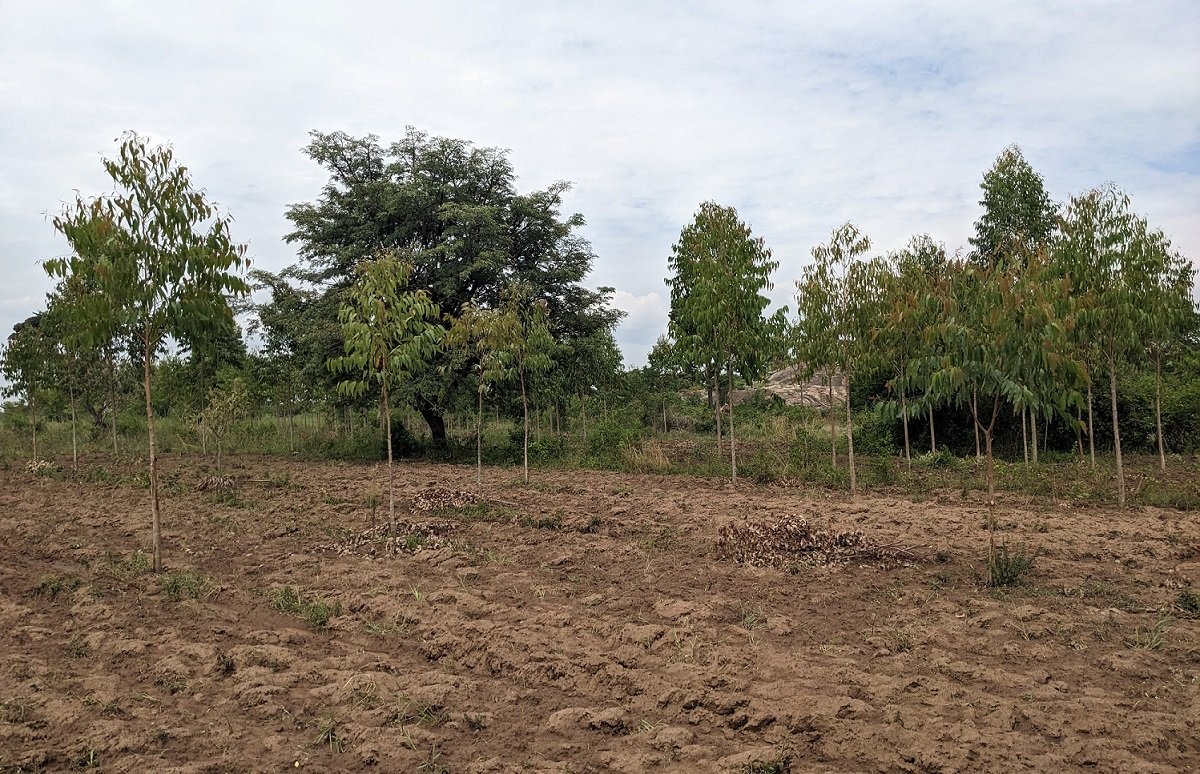
Land is the foundation of nearly all human activity—from agriculture and housing to infrastructure and industry. Yet, the way we use and govern land is often overlooked in environmental discussions. This needs to change. Environmental degradation is largely driven by human activities, most of which are land-based. The pressure human activities exert on land require changes in land use. This can be in extent, such as clearing ‘unconverted’ land, or intensity, such as increasing productivity through chemicals, machines, GMOs, and in some cases, both. Regardless of which option is chosen, they both can have various undesirable environmental and social impacts. Expansion might entail encroachment on water catchment areas, forests, grasslands, wetlands, and other vegetation types. Intensification threatens tropical biodiversity and may lead to extinction of many native species. Socially, it may make farming costly for small-scale food producers.
The Land Gap Report (2022) revealed that around 1.2 billion hectares of land would be needed for carbon removal projects to meet global net-zero commitments. This demand intensifies pressure on already scarce land resources, making them more vulnerable to corruption and mismanagement.
Corruption in land governance is a key enabler of environmentally destructive practices. It facilitates illegal land acquisitions, fraudulent land titling, and the conversion of ecosystems for land-intensive economic activities like agriculture, forestry, and mining. In India, green spaces are illegally converted into real estate, leading to urban flooding due to encroachment on water bodies. In Zimbabwe, politically connected land barons acquire wetlands, sell plots, and bribe officials—destroying vital ecosystems. In the Amazon Basin and other parts of Africa and South Asia, Illegal logging and land grabs are often enabled by fraudulent land records and bribery. Large-scale land acquisitions for cash crops and pastures contribute to 90% of carbon emissions from land grabs. Equally, in this era of carbon markets, the so-called “carbon cowboys” exploit communities with misleading carbon offset deals, offering little benefit to locals.
The environmental cost of land corruption is enormous. It weakens climate by undermining communities’ and governments’ ability to adapt to climate change. It also promotes unsustainable land use: Fraudulent transactions and collusion lead to poor land management. It further exacerbates environmental injustice as powerful elites benefit while vulnerable populations are further marginalized. Corruption in land governance also threatens civic space as land and environmental defenders face threats, violence, and even death for standing up to corrupt practices.
To address these issues, there are promising approaches being implemented globally:
- Policy Reform: recognizing land corruption as a land governance issue is gaining traction globally. In Africa for example, frameworks like the African Union’s Land Governance Strategy are expressly speaking to corruption. Draft national policies in Kenya and Uganda.
- Strengthening Land Tenure Security: Through digitization and documentation of land rights, communities can better protect their land.
- Land Corruption Risk Mapping Tools: Tools that identify corruption risks in land governance help detect systemic loopholes and prevent corruption before it happens.
- Anti-Corruption Safeguards: Integrating these into land and environmental projects ensures accountability.
- Land Data Transparency: Public access to information on land deals empowers communities and promotes informed decision-making.
- Protecting Land Defenders: Civil society, governments, and international organizations must support those on the frontlines of land justice.
Land is a battleground for climate justice, environmental sustainability, and human rights. If we are serious about addressing the climate crisis, we must put land corruption at the centre of our environmental strategies.